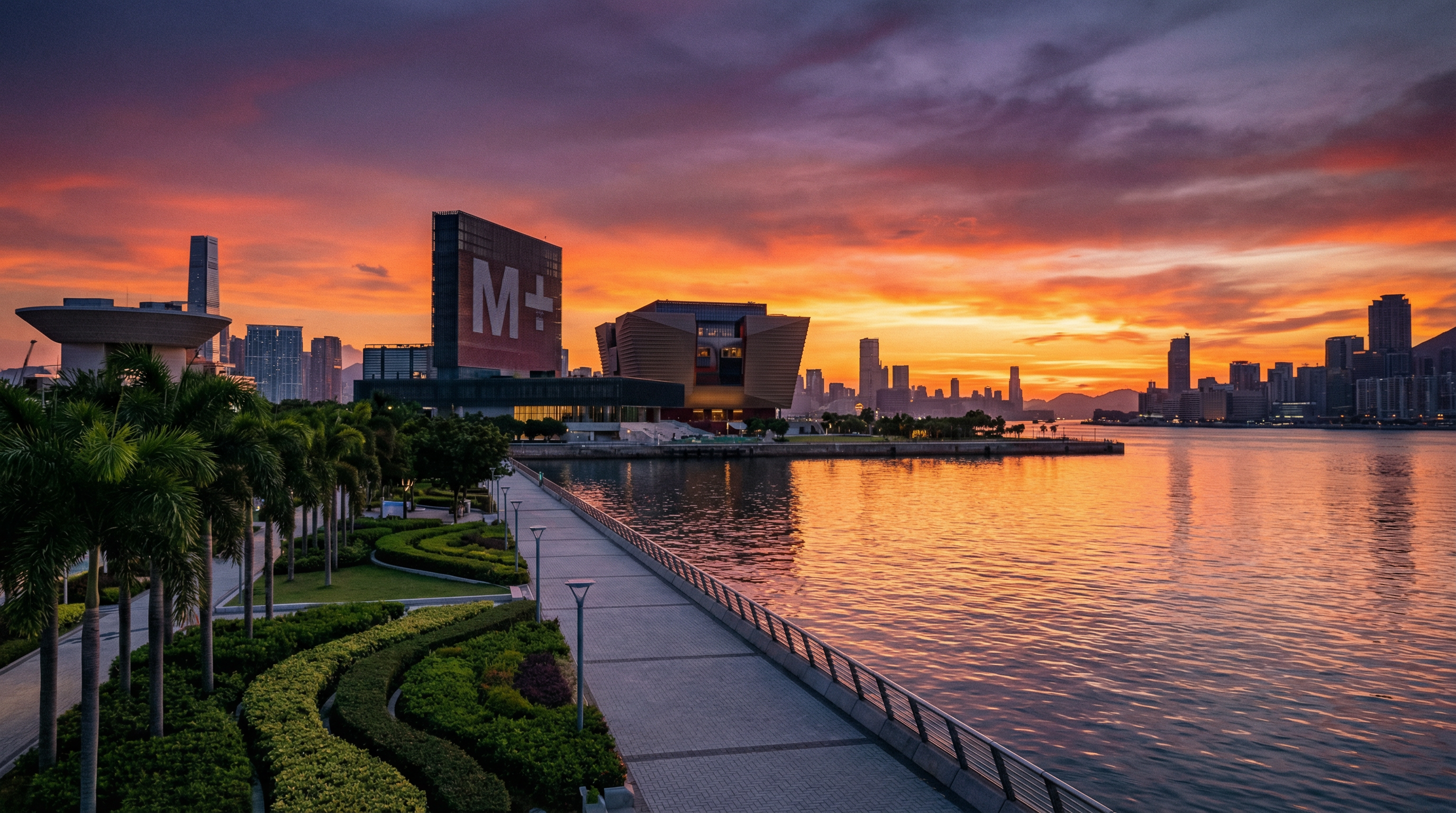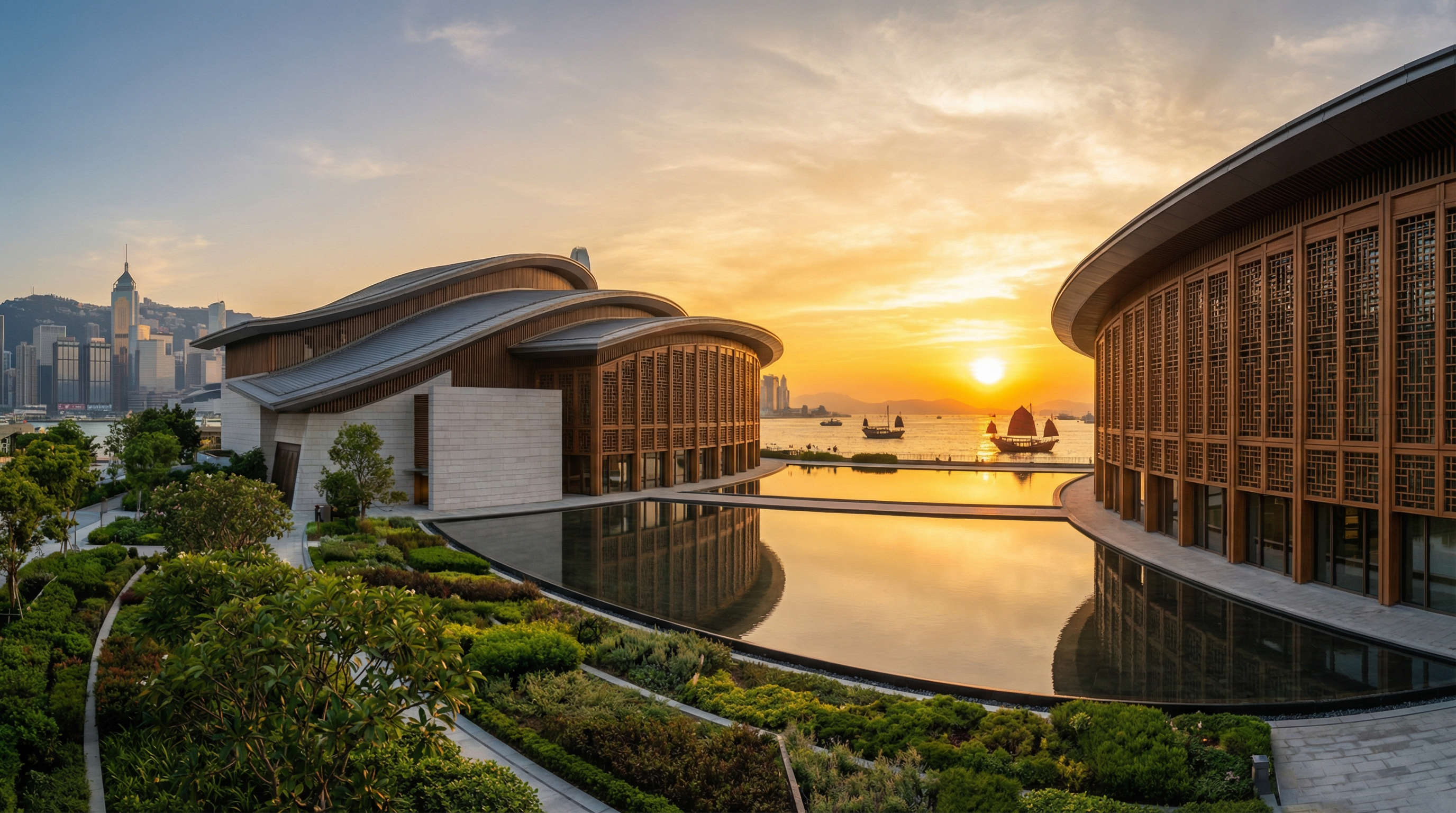
Stunning view of a contemporary Chinese-inspired museum building at sunset with reflecting pools and harbour views in West Kowloon, Hong Kong
πŸ“ West Kowloon, Hong Kong SAR

Your Essential Guide to
Hong Kong Palace Museum

Expert travel tips, exhibition highlights, seasonal events, and everything you need to plan the perfect cultural visit to one of Asia's most celebrated museums of Chinese imperial art and heritage.

πŸ“– 12 In-Depth Articles ⏱️ 20 min read πŸ“… Updated April 2026
Explore Articles ↓

Discover Hong Kong's Premier Museum of Chinese Imperial Art

Opened in July 2022 in the heart of the West Kowloon Cultural District, the Hong Kong Palace Museum stands as one of Asia's most significant cultural institutions, housing over 900 priceless artefacts spanning 5,000 years of Chinese civilisation. This independent travel guide provides everything you need to plan an unforgettable visit.

πŸ—“οΈ
2022
Year Opened
🏺
900+
Imperial Artefacts
πŸ“
328,000
Square Feet
πŸ–ΌοΈ
9
Exhibition Galleries
🎭
400
Seat Theatre
🌏
5,000
Years of History

Complete Hong Kong Palace Museum Travel Guides

Our editorial team has compiled 12 comprehensive articles covering every aspect of visiting this world-class cultural institution in Hong Kong's West Kowloon Cultural District.

Contemporary Chinese-inspired museum architecture at sunset with reflecting pools, West Kowloon waterfront Essential Guide
πŸ“… March 2026 ⏱️ 8 min read

The Complete First-Timer's Guide to Hong Kong Palace Museum

Everything you need to know before your first visit to this extraordinary museum β€” from planning your itinerary and booking tickets to navigating the nine galleries and making the most of your time in West Kowloon.

Visiting the Hong Kong Palace Museum for the first time is an experience unlike any other in Asia. Situated on the western tip of the West Kowloon Cultural District, this architectural masterpiece opened its doors on 3 July 2022 and has since welcomed millions of visitors eager to explore its extraordinary collection of Chinese imperial artefacts.

Before you arrive, it is worth planning your visit carefully. The museum spans nine permanent and special exhibition galleries across its 328,000-square-foot building, and a single visit can easily take three to five hours if you wish to explore each gallery thoroughly. Most first-time visitors find it helpful to prioritise two or three galleries based on their personal interests β€” whether that is ceramics, jade carvings, imperial paintings, or multimedia installations.

The museum is located at 8 Museum Drive, West Kowloon, and is most conveniently reached via the MTR Kowloon Station (Exit C or D), from which a pleasant ten-minute walk along the waterfront promenade brings you to the main entrance. The West Kowloon Cultural District also operates a dedicated bus service and is accessible by taxi from across Hong Kong.

Upon arrival, you will find a spacious atrium that serves as the museum's central hub, with clear signage directing visitors to each gallery. The ground floor houses the museum shop and the acclaimed restaurant King Lung Heen, while the upper levels contain the permanent collection galleries. Audio guides are available for rent at the information desk and are highly recommended for first-time visitors, as they provide rich contextual information about the artefacts on display.

One practical tip: the museum can become quite busy on weekends and public holidays, particularly during school holidays and the summer months. Visiting on a weekday morning, ideally between 10am and noon, offers a significantly more tranquil experience. Advance booking is strongly recommended during peak periods, as timed-entry slots can sell out quickly. Children aged six and under enjoy free admission, making this an excellent destination for family visits.

Photography is permitted in most areas of the museum, though flash photography and tripods are generally prohibited in the galleries to protect the artefacts. The museum's architecture itself is a photographic subject worth exploring β€” the building's intricate lattice facade, inspired by traditional Chinese bronze ding cauldrons and sycee ingots, creates stunning light patterns throughout the day.
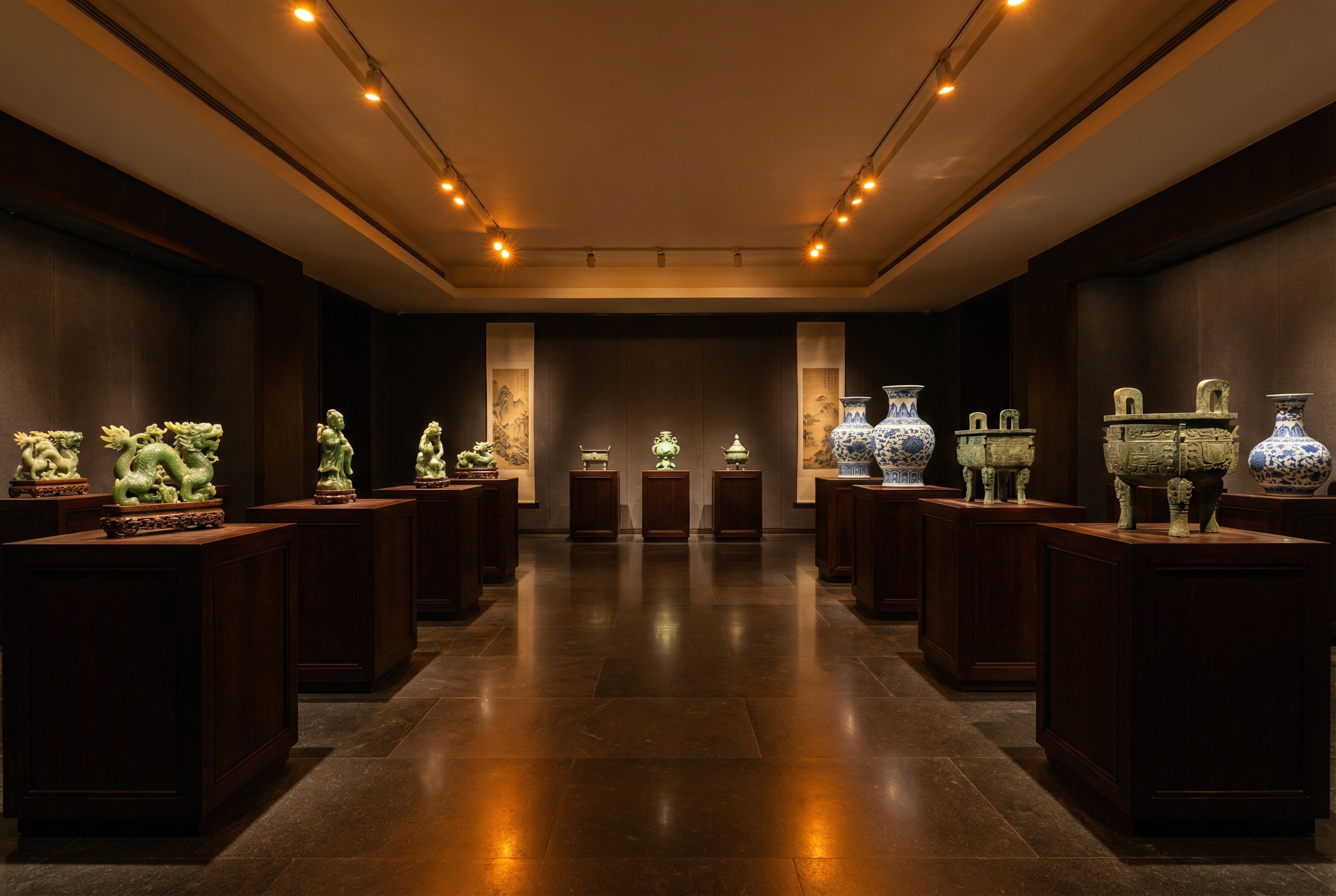
Ancient Chinese imperial jade carvings and bronze vessels displayed in a softly lit museum gallery Collections
πŸ“… February 2026 ⏱️ 7 min read

The Imperial Collection: Treasures from 5,000 Years of Chinese Civilisation

A deep dive into the museum's extraordinary permanent collection β€” over 900 artefacts on long-term loan from Beijing's Palace Museum, many of which have never been exhibited publicly before arriving in Hong Kong.

The heart of the Hong Kong Palace Museum is its permanent collection of over 900 priceless artefacts, all on long-term loan from the Palace Museum in Beijing β€” the world's largest collection of Chinese imperial art and cultural relics. What makes this collection particularly remarkable is that a significant number of these treasures had never been put on public display before their arrival in Hong Kong, making the museum an essential destination for anyone with an interest in Chinese cultural heritage.

The collection spans an extraordinary breadth of Chinese artistic achievement, encompassing ceramics, jade carvings, bronze ritual vessels, imperial paintings, calligraphy, lacquerware, textiles, and enamelware. Each object tells a story of imperial life, artistic mastery, and the cultural values that shaped Chinese civilisation across millennia.

Among the most celebrated pieces are the imperial jade carvings, which represent some of the finest examples of this ancient art form. Jade held profound symbolic significance in Chinese culture β€” associated with virtue, purity, and immortality β€” and the imperial workshops produced objects of breathtaking intricacy, from ceremonial vessels and ornamental figures to personal adornments worn by emperors and empresses. The museum's jade collection includes pieces from the Neolithic period through to the Qing dynasty, offering a comprehensive survey of this enduring artistic tradition.

The ceramics collection is equally impressive, featuring examples from virtually every major kiln tradition in Chinese history. Visitors can trace the evolution of Chinese ceramic art from the robust earthenwares of the Han dynasty through the refined porcelains of the Song and Ming periods to the technically virtuosic pieces produced in the imperial kilns of Jingdezhen during the Qing dynasty. The famous blue-and-white porcelains of the Yuan and Ming periods are particularly well represented, their cobalt-blue designs standing in elegant contrast to the pure white porcelain ground.

Imperial paintings and calligraphy form another cornerstone of the collection. These works offer intimate glimpses into the aesthetic sensibilities and intellectual preoccupations of the imperial court, from the monumental landscape paintings of the Song academy to the more personal, expressive works of the literati tradition. The museum presents these works with exceptional care, employing state-of-the-art climate control and lighting systems to ensure their long-term preservation.

The collection is displayed across seven permanent galleries, each dedicated to a specific theme or period of Chinese cultural history. The curatorial approach is both scholarly and accessible, with detailed bilingual labels and multimedia installations that help visitors contextualise the artefacts within their broader historical and cultural settings. Whether you are a specialist in Chinese art or a curious first-time visitor, the collection offers something genuinely illuminating at every turn.

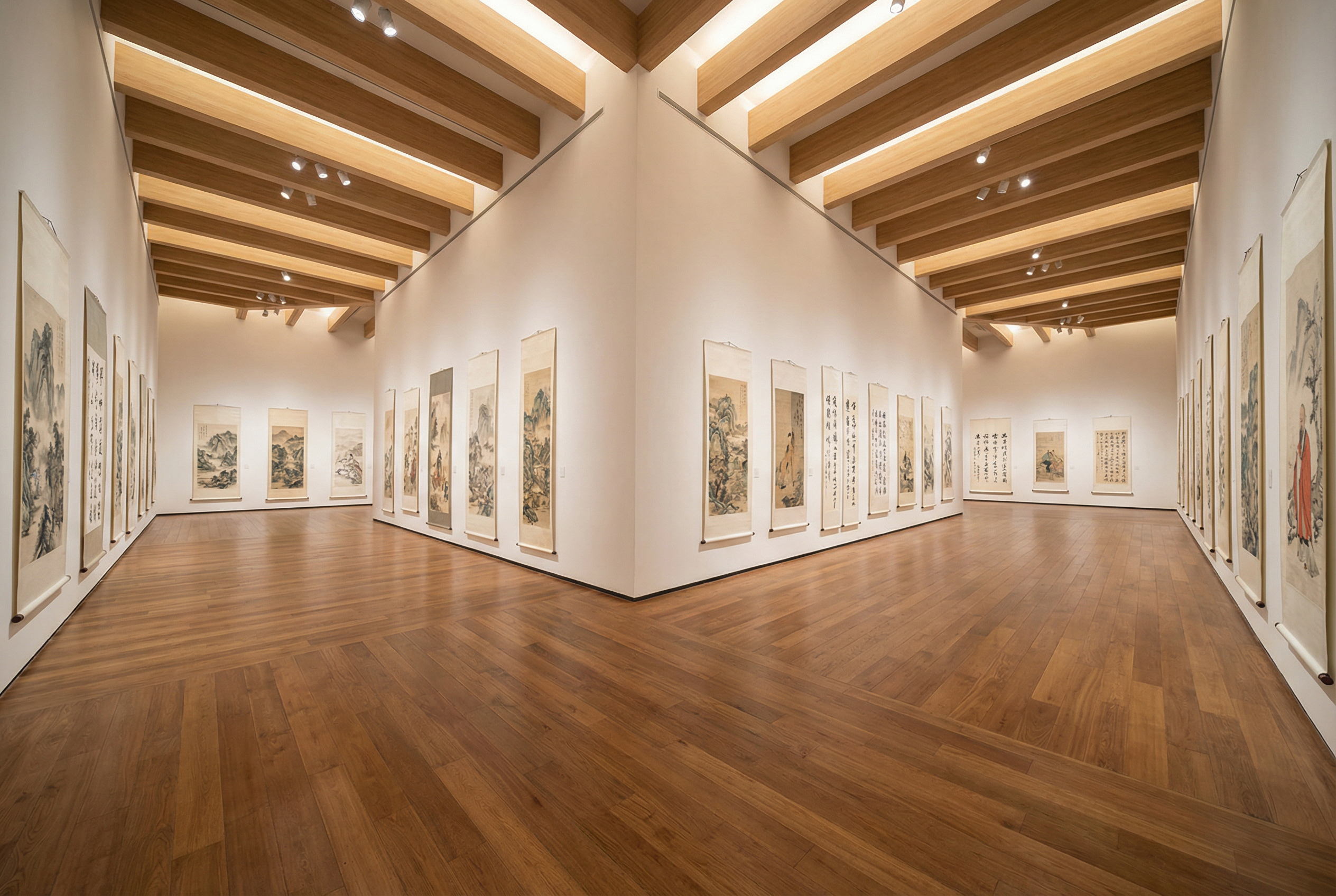
Grand museum gallery interior with Chinese scroll paintings and calligraphy displayed on pristine white walls with wooden beam ceiling Architecture
πŸ“… January 2026 ⏱️ 6 min read

Architectural Marvel: The Design Story Behind the Museum Building

Designed by Hong Kong architecture firm Rocco Design Architects, the museum building is a masterwork of contemporary design that draws deeply on Chinese cultural symbolism while embracing the technological possibilities of the 21st century.

The building that houses the Hong Kong Palace Museum is itself a work of art worthy of extended contemplation. Designed by the acclaimed Hong Kong architecture firm Rocco Design Architects, the structure represents a bold and thoughtful dialogue between Chinese cultural tradition and contemporary architectural practice. Construction began in April 2019, and the building was completed in time for the museum's opening on 3 July 2022.

According to the designer Rocco Yim, the building's distinctive form is inspired by two iconic objects from Chinese material culture: the bronze ding cauldron and the sycee ingot. The ding, a three-legged ritual vessel used in ancient Chinese ceremonies, lends the building its sense of ceremonial gravitas and cultural rootedness. The sycee, a boat-shaped silver or gold ingot used as currency in imperial China, contributes to the building's flowing, organic silhouette. Together, these references create a structure that feels simultaneously ancient and thoroughly contemporary.

The building's most immediately striking feature is its intricate lattice facade, composed of thousands of individually crafted panels that filter natural light in ever-changing patterns throughout the day. This facade draws on the tradition of decorative latticework found in classical Chinese architecture β€” the carved wooden screens and stone grilles that adorned the windows and doorways of imperial palaces and garden pavilions. In the museum's contemporary interpretation, this ancient motif is rendered in modern materials and at a monumental scale, creating a surface that is both visually captivating and functionally sophisticated.

The building is deliberately designed to be different from the Palace Museum in Beijing, reflecting what the architect describes as "technological advancements, modern culture, and city atmosphere." Rather than attempting to replicate or imitate the grandeur of the Forbidden City, the Hong Kong building charts its own architectural course β€” one that is rooted in Chinese cultural values but expressive of Hong Kong's unique identity as a cosmopolitan city at the intersection of East and West.

Inside, the building comprises two main exhibition halls, activity rooms, a 400-seat theatre, a gift shop, and a restaurant. The interior spaces are characterised by generous ceiling heights, carefully controlled natural lighting, and a material palette of warm stone, timber, and polished metal that creates an atmosphere of refined elegance. The central atrium serves as the building's social heart, a generous public space where visitors can orientate themselves before exploring the galleries.

The museum is built on a reclaimed land site formerly occupied by the West Kowloon Nursery Park, and its position at the western tip of the West Kowloon Cultural District affords spectacular views across Victoria Harbour to Hong Kong Island. The building's relationship with its waterfront setting is carefully considered β€” the landscaped grounds include serene reflecting pools and planted terraces that mediate between the museum and the harbour, creating a sequence of outdoor spaces that are as rewarding to explore as the galleries within.

Ancient Chinese bronze ritual vessels and imperial jade carvings in a dimly lit museum gallery with amber spotlights History
πŸ“… December 2025 ⏱️ 7 min read

History & Heritage: From the Forbidden City to West Kowloon

The story of how one of the world's greatest collections of Chinese imperial art came to be exhibited in Hong Kong β€” tracing the origins of the Palace Museum in Beijing and the remarkable journey that brought its treasures to the West Kowloon waterfront.

To understand the Hong Kong Palace Museum, one must first understand the extraordinary institution from which its collection derives: the Palace Museum in Beijing, housed within the Forbidden City β€” the imperial palace complex that served as the home of China's emperors for nearly five centuries, from the Ming dynasty through to the end of the Qing dynasty in 1912.

The Forbidden City was constructed between 1406 and 1420 during the reign of the Yongle Emperor of the Ming dynasty. Covering an area of approximately 72 hectares and comprising some 980 surviving buildings, it represents one of the greatest architectural achievements in human history. For nearly 500 years, the complex served as the political and ceremonial centre of the Chinese empire, housing the emperor, his family, and thousands of officials, servants, and artisans. Over the centuries, successive emperors accumulated an extraordinary collection of art, ritual objects, and cultural treasures within its walls.

The Palace Museum was formally established in 1925, following the abdication of the last Qing emperor Puyi and the subsequent opening of the Forbidden City to the public. Today, the Beijing Palace Museum holds a collection of approximately 1.86 million objects, making it one of the largest and most significant collections of Chinese cultural heritage in the world. It attracts some 17 million visitors annually, making it one of the most visited museums on earth.

The idea of establishing a satellite institution in Hong Kong was conceived in September 2015 and publicly announced in December 2016, when a cooperation agreement was signed between the Hong Kong authorities and the Palace Museum in Beijing. The project was funded by a HK$3.5 billion donation from the Hong Kong Jockey Club Charities Trust, and construction began in April 2019. The museum officially opened on 3 July 2022, in commemoration of the 25th anniversary of Hong Kong's handover.

The Hong Kong institution was conceived not as a mere branch of the Beijing museum but as an independent cultural institution with its own identity and curatorial vision. While the permanent collection consists of artefacts on long-term loan from Beijing, the museum also develops its own special exhibitions, educational programmes, and cultural events, establishing itself as a dynamic centre for the study and appreciation of Chinese art and culture in the context of Hong Kong's unique cultural landscape.

The museum's mission is explicitly intercultural β€” to foster dialogue between Chinese civilisation and the cultures of the world. This is reflected in its programming, which has included major loan exhibitions from institutions such as the National Gallery in London, bringing Western masterpieces into conversation with Chinese imperial art in ways that illuminate both traditions. This commitment to cultural dialogue makes the Hong Kong Palace Museum a genuinely distinctive institution within the global museum landscape.

Beautiful waterfront promenade at dusk in West Kowloon Cultural District with contemporary cultural buildings reflected in calm harbour water Cultural District
πŸ“… November 2025 ⏱️ 6 min read

West Kowloon Cultural District: The Museum's Remarkable Setting

The Hong Kong Palace Museum sits within one of the world's most ambitious cultural development projects β€” the West Kowloon Cultural District, a 40-hectare waterfront arts hub that is transforming the face of Hong Kong's cultural life.

The West Kowloon Cultural District is one of the most ambitious cultural infrastructure projects in the world β€” a 40-hectare arts and entertainment district built on reclaimed land along the Kowloon waterfront, designed to establish Hong Kong as a leading international hub for arts and culture. The district is home to some of Hong Kong's most significant cultural institutions, including the M+ Museum of visual culture, the Xiqu Centre for Chinese opera, and the Hong Kong Palace Museum itself.

The development of the West Kowloon Cultural District has been one of the defining urban projects of 21st-century Hong Kong. The district was conceived in the late 1990s and has been developed over several decades, with the various cultural venues opening in phases. The result is a coherent and beautifully landscaped cultural precinct that offers visitors a rich programme of arts, culture, and leisure activities alongside spectacular harbour views.

For visitors to the Hong Kong Palace Museum, the West Kowloon Cultural District offers a wealth of complementary experiences. The M+ Museum, located a short walk from the Palace Museum, is dedicated to visual art, design, architecture, and moving image from Asia and around the world, and its collection and programme provide a fascinating counterpoint to the Palace Museum's focus on Chinese imperial heritage. Together, the two institutions offer a remarkably comprehensive survey of Chinese and Asian visual culture.

The district's waterfront promenade is one of Hong Kong's finest public spaces β€” a generously proportioned pedestrian walkway that runs along the harbour edge, offering unobstructed views across Victoria Harbour to the Hong Kong Island skyline. The promenade is particularly beautiful at sunset and in the early evening, when the city lights begin to reflect on the water and the harbour takes on a magical quality. Many visitors choose to arrive at the museum early and spend time exploring the promenade before or after their visit.

The district also contains extensive parkland, outdoor performance spaces, and a variety of dining and retail options. The Art Park, which occupies the central portion of the district, hosts regular outdoor events, art installations, and cultural festivals throughout the year, making the West Kowloon Cultural District a lively and engaging destination at any time of year.

Getting to the West Kowloon Cultural District is straightforward. The most convenient public transport option is the MTR to Kowloon Station (Exit C or D), from which the district is a ten-minute walk along a well-signposted pedestrian route. The district is also served by several bus routes and is easily accessible by taxi from anywhere in Hong Kong. For visitors arriving from Hong Kong Island, the Cross-Harbour Tunnel and the MTR Tsuen Wan Line both provide convenient connections.

Museum gallery with Chinese scroll paintings and calligraphy artworks displayed on pristine white walls with warm wooden flooring Exhibitions
πŸ“… October 2025 ⏱️ 7 min read

A Guide to the Nine Galleries: What to See and Where to Find It

A comprehensive gallery-by-gallery guide to the museum's permanent and special exhibition spaces, helping you plan your visit and prioritise the collections that interest you most.

The Hong Kong Palace Museum is organised across nine galleries, each offering a distinct perspective on Chinese art, history, and culture. Understanding the layout and focus of each gallery before your visit will help you make the most of your time and ensure you don't miss the highlights that matter most to you.

Galleries 1 through 7 house the museum's permanent collection, while Galleries 8 and 9 are dedicated to special exhibitions that change regularly throughout the year. The permanent galleries are arranged thematically rather than strictly chronologically, allowing visitors to explore different aspects of Chinese imperial culture in depth.

The permanent galleries cover an impressive range of themes. One gallery is dedicated to the architecture, collection, and heritage of the Forbidden City, providing essential context for understanding the imperial world from which the collection derives. Another explores daily life in the imperial palace β€” the rituals, ceremonies, and material culture that shaped the lives of emperors, empresses, and court officials. Further galleries focus on specific categories of the collection, including ceramics, jade, paintings and calligraphy, and decorative arts.

A particularly popular gallery is dedicated to multimedia and immersive experiences, where cutting-edge digital technology is used to bring the imperial world to life in vivid and engaging ways. Visitors can explore virtual reconstructions of the Forbidden City, interact with digital versions of famous artworks, and experience immersive audio-visual installations that transport them to the imperial court. This gallery is especially popular with younger visitors and families, but its sophisticated use of technology makes it rewarding for visitors of all ages.

The special exhibition galleries have hosted some remarkable shows since the museum's opening, including major loan exhibitions from the National Gallery in London and collaborations with leading cultural institutions from across Asia and beyond. These exhibitions typically run for several months and are ticketed separately from the permanent collection, so it is worth checking the museum's current programme before your visit to see what is on during your stay in Hong Kong.

One practical note: the galleries are arranged across multiple floors, and the museum provides clear floor plans and directional signage throughout. However, given the size of the building and the richness of the collection, first-time visitors may find it helpful to download the museum's official app before their visit, which provides detailed information about the collection and can help you navigate the galleries efficiently. Audio guides are also available for rent at the information desk and are available in multiple languages including English, Cantonese, and Mandarin.

Serene traditional Chinese garden courtyard with tranquil koi pond, stone lanterns, and weeping willow trees in morning mist Travel Tips
πŸ“… September 2025 ⏱️ 5 min read

How to Get There: Complete Transportation Guide to West Kowloon

Detailed directions for reaching the Hong Kong Palace Museum by MTR, bus, taxi, and ferry β€” including tips on the most scenic routes and how to combine your museum visit with other West Kowloon attractions.

The Hong Kong Palace Museum is located at 8 Museum Drive in the West Kowloon Cultural District, and is exceptionally well served by public transport. Hong Kong's world-class public transport network makes it easy to reach the museum from virtually anywhere in the city, and the journey itself can be an enjoyable part of the overall experience.

The most convenient option for most visitors is the MTR (Mass Transit Railway). The nearest station is Kowloon Station on the Tung Chung Line, which is served by frequent trains from Central, Hong Kong Station, and Tsing Yi. From Exit C or D of Kowloon Station, the museum is approximately a ten-minute walk along a well-signposted pedestrian route through the West Kowloon Cultural District. The walk itself is pleasant, passing through the district's landscaped public spaces and offering views of the harbour.

Alternatively, visitors can take the MTR to Austin Station on the West Rail Line, which is also within walking distance of the museum. This option may be more convenient for visitors arriving from the New Territories or from Hung Hom. From Austin Station, the walk to the museum takes approximately 15 minutes.

Several bus routes serve the West Kowloon Cultural District directly, including routes from Tsim Sha Tsui, Mong Kok, and various parts of Kowloon. The West Kowloon Cultural District Authority operates a dedicated shuttle bus service during peak periods, connecting the district with major transport hubs. Timetables and route information are available on the WKCD website.

For visitors arriving from Hong Kong Island, the most straightforward option is the MTR from any station on the Island Line or Tsuen Wan Line, changing to the Tung Chung Line at Hong Kong Station. The journey from Central to Kowloon Station takes approximately 10 minutes. Alternatively, taxis are readily available throughout Hong Kong and can take you directly to the museum entrance, though traffic can be heavy during peak hours.

A particularly enjoyable option for visitors with more time is to arrive by ferry. The Star Ferry operates services between Central Pier and Tsim Sha Tsui, from where the museum is accessible by a short taxi ride or a longer but scenic walk along the Tsim Sha Tsui waterfront promenade. This approach allows you to enjoy the famous harbour crossing and to take in the West Kowloon skyline from the water before your visit.

Beautifully lit museum gallery displaying ancient Chinese imperial jade carvings and bronze vessels on dark wooden pedestals Family Travel
πŸ“… August 2025 ⏱️ 6 min read

Family-Friendly Guide: Visiting the Museum with Children

The Hong Kong Palace Museum offers a surprisingly rich and engaging experience for families with children of all ages β€” from interactive digital galleries to dedicated children's activity spaces and family storytelling sessions.

Contrary to what some parents might assume, the Hong Kong Palace Museum is an excellent destination for families with children. The museum has invested significantly in creating engaging, age-appropriate experiences for younger visitors, recognising that inspiring the next generation of cultural enthusiasts is central to its educational mission.

Children aged six and under enjoy free admission to the museum's permanent collection galleries, making a family visit excellent value. The museum also offers a range of family-oriented programmes and activities throughout the year, including storytelling sessions, craft workshops, and interactive tours designed specifically for children and their accompanying adults.

The multimedia gallery is invariably the highlight for younger visitors. Here, cutting-edge digital technology is used to create immersive experiences that bring the imperial world to life in ways that children find genuinely captivating. Interactive touchscreens allow children to explore the Forbidden City virtually, try on digital versions of imperial costumes, and engage with the collection in a hands-on way that complements the more contemplative experience of the traditional galleries.

The museum's children's activity spaces offer a range of creative and educational activities, from drawing workshops inspired by the collection to craft sessions where children can create their own versions of traditional Chinese art forms. These spaces are staffed by trained educators and are designed to be both fun and intellectually stimulating, providing children with a meaningful connection to the cultural heritage on display.

For families planning a full-day visit, the West Kowloon Cultural District offers a range of complementary attractions and amenities. The Art Park provides ample outdoor space for children to run and play between gallery visits, while the district's various dining options cater to a range of tastes and budgets. The waterfront promenade is also a wonderful space for families to enjoy, with its open views of the harbour and its pleasant walking environment.

Practical tips for families: the museum is equipped with baby-changing facilities, nursing rooms, and pushchair-accessible routes throughout. Lockers are available for storing bags and bulky items, which is particularly useful for families travelling with young children. It is advisable to visit on a weekday if possible, as weekends can be significantly busier and the queues for popular galleries and interactive installations can be lengthy.

Dramatic architectural museum building with traditional Chinese lattice facade and reflecting pools at golden hour Photography
πŸ“… July 2025 ⏱️ 5 min read

Photography Guide: The Best Spots and Times to Capture the Museum

A photographer's guide to capturing the Hong Kong Palace Museum and its spectacular West Kowloon setting β€” from the best exterior vantage points and golden hour timing to interior photography tips and the most photogenic gallery spaces.

The Hong Kong Palace Museum is one of Hong Kong's most photogenic destinations, offering extraordinary opportunities for both architectural and cultural photography. Whether you are a professional photographer or simply want to capture memorable images of your visit, this guide will help you make the most of the museum's remarkable visual environment.

For exterior photography, the most rewarding time to visit is during the golden hour β€” approximately one hour before sunset β€” when the warm light plays beautifully across the museum's intricate lattice facade and the reflecting pools in the foreground mirror the building's silhouette. The building's western orientation means that it catches the afternoon and evening sun particularly well, creating dramatic shadows and highlights on the facade's geometric patterns.

The best exterior vantage points include the waterfront promenade to the south of the building, which offers wide-angle views of the museum against the backdrop of Victoria Harbour and the Hong Kong Island skyline. The elevated walkways within the West Kowloon Cultural District also provide interesting elevated perspectives on the building's roofline and facade. For a more intimate view, the landscaped gardens immediately surrounding the museum offer opportunities to photograph the building's architectural details at close range.

Inside the museum, photography is permitted in most areas of the permanent collection galleries, though flash photography and tripods are generally prohibited. The atrium is a particularly rewarding interior photography subject, with its soaring ceiling, natural light, and elegant proportions. The multimedia gallery also offers interesting photographic opportunities, with its colourful digital installations and interactive displays creating visually dynamic images.

When photographing the artefacts in the collection galleries, it is worth taking time to study the lighting conditions in each space before shooting. The museum's curators have worked carefully to create lighting environments that reveal the beauty and detail of each object, and these conditions can be used to great photographic advantage. A wide-aperture lens is useful for isolating individual objects against the dark gallery backgrounds, while a longer focal length can help capture details that are not visible to the naked eye.

For night photography, the museum's exterior is beautifully illuminated after dark, with the lattice facade glowing warmly against the night sky. The waterfront promenade provides excellent vantage points for capturing the museum in its harbour setting, with the lights of Hong Kong Island reflected in the water below. A tripod is essential for night photography, though it must be used only in the outdoor areas around the building.

Serene traditional Chinese garden with lotus pond, stone lanterns, bamboo grove and classical architecture in morning mist Culture
πŸ“… June 2025 ⏱️ 8 min read

Cultural Significance: Understanding Chinese Imperial Art and Heritage

A contextual guide to the cultural and historical significance of the Chinese imperial art tradition β€” helping visitors understand the world from which the museum's extraordinary collection derives and appreciate the deeper meanings embedded in the artefacts on display.

To fully appreciate the treasures on display at the Hong Kong Palace Museum, it helps to understand something of the cultural world from which they derive β€” the Chinese imperial tradition, with its complex rituals, aesthetic values, and philosophical frameworks that shaped the production and use of art objects over thousands of years.

Chinese imperial art was not produced merely for aesthetic pleasure. Every object in the imperial collection served a specific function within the elaborate system of ritual, ceremony, and symbolic communication that governed life at the imperial court. Bronze ritual vessels, for example, were used in ancestral ceremonies and sacrificial rites, their forms and decorative programmes encoding specific cosmological meanings. Jade objects were associated with virtue, immortality, and cosmic power, and their production and use were carefully regulated according to the holder's rank and status within the imperial hierarchy.

The concept of wen β€” often translated as "culture" or "civilisation" but encompassing a much richer range of meanings β€” was central to the Chinese imperial worldview. The emperor was understood to be the supreme embodiment of wen, the guarantor of cosmic order and cultural continuity. The imperial collection of art and artefacts was thus not merely a private accumulation of beautiful objects but a material expression of the emperor's cultural authority and his role as the custodian of Chinese civilisation.

This understanding helps explain the extraordinary care and craftsmanship that went into the production of imperial objects. The imperial workshops employed the finest artisans from across China, who devoted their careers to mastering the techniques required to produce objects of the highest quality. The result was a tradition of technical virtuosity and aesthetic refinement that has never been surpassed in the history of Chinese art.

The museum's curatorial approach reflects a deep awareness of these cultural contexts. The artefacts are not presented merely as beautiful objects to be admired in isolation but as windows into a complex and richly meaningful cultural world. The detailed bilingual labels and multimedia installations that accompany the collection provide essential contextual information, helping visitors understand not just what they are looking at but why it matters and what it meant to the people who made and used it.

For visitors who wish to deepen their understanding of Chinese imperial culture before or after their museum visit, the museum's education department offers a range of programmes, including lectures by leading scholars, guided tours, and reading recommendations. The museum's bookshop also stocks an excellent selection of scholarly and popular publications on Chinese art and culture, providing resources for further exploration.

Vibrant West Kowloon Cultural District waterfront at sunset with contemporary cultural buildings and harbour views Nearby Attractions
πŸ“… May 2025 ⏱️ 6 min read

Nearby Attractions: What Else to Do in West Kowloon and Beyond

The Hong Kong Palace Museum sits at the heart of one of Hong Kong's most vibrant cultural and leisure districts. This guide covers the best nearby attractions, dining options, and experiences to complement your museum visit.

A visit to the Hong Kong Palace Museum can easily be combined with a range of other outstanding attractions in the West Kowloon Cultural District and the surrounding Kowloon neighbourhood, making it the centrepiece of a full and rewarding day out in Hong Kong.

The most obvious complement to the Palace Museum is the M+ Museum, located a short walk away within the West Kowloon Cultural District. M+ is dedicated to visual art, design, architecture, and moving image from Hong Kong, Asia, and the world, and its collection and programme provide a fascinating counterpoint to the Palace Museum's focus on Chinese imperial heritage. Together, the two institutions offer a remarkably comprehensive survey of Chinese and Asian visual culture, and many visitors choose to spend a full day in the district visiting both museums.

The Xiqu Centre, also within the West Kowloon Cultural District, is dedicated to the preservation and promotion of Chinese opera β€” one of the world's oldest and most sophisticated performing art traditions. The centre hosts regular performances of Cantonese opera and other regional operatic traditions, as well as educational programmes and exhibitions. Even if you are not planning to attend a performance, the building itself is worth visiting for its striking architecture and its beautiful public spaces.

A short taxi or MTR ride from West Kowloon brings you to Tsim Sha Tsui, one of Hong Kong's most vibrant and cosmopolitan neighbourhoods. The famous Avenue of Stars along the Tsim Sha Tsui waterfront offers spectacular views of the Hong Kong Island skyline and is particularly beautiful in the evening, when the nightly Symphony of Lights show illuminates the harbour. The neighbourhood also contains the Hong Kong Museum of Art, the Hong Kong Space Museum, and a wealth of dining, shopping, and entertainment options.

For visitors interested in Hong Kong's own cultural heritage, the Hong Kong History Museum in Tsim Sha Tsui is an excellent resource, offering a comprehensive survey of Hong Kong's history from prehistoric times to the present day. The museum's permanent exhibition, "The Story of Hong Kong," is one of the most visited museum exhibitions in the city and provides invaluable context for understanding Hong Kong's unique cultural identity.

Further afield, the Chi Lin Nunnery in Diamond Hill is one of Hong Kong's most beautiful and serene cultural sites β€” a magnificent Tang dynasty-style Buddhist temple complex set within a classical Chinese garden. The nunnery and its adjacent Nan Lian Garden offer a tranquil contrast to the urban energy of the West Kowloon Cultural District and are well worth the short MTR journey.

Spacious museum gallery with Chinese scroll paintings and calligraphy displayed on white walls with warm wooden beam ceiling Cultural Programmes
πŸ“… April 2025 ⏱️ 6 min read

Cultural Programmes, Workshops & Events: Beyond the Galleries

The Hong Kong Palace Museum offers a rich calendar of cultural programmes, workshops, lectures, and events that extend the museum experience far beyond the galleries β€” providing opportunities for deeper engagement with Chinese art and culture throughout the year.

One of the most distinctive aspects of the Hong Kong Palace Museum is its commitment to providing cultural experiences that go far beyond the traditional museum visit. The museum's education and public programmes department offers a rich and varied calendar of events throughout the year, catering to visitors of all ages and levels of cultural knowledge.

Scholarly lectures and symposia are a regular feature of the museum's programme, bringing leading academics, curators, and cultural figures from Hong Kong, mainland China, and around the world to share their expertise with public audiences. These events provide an invaluable opportunity to engage with the latest scholarship on Chinese art and culture, and many are available to attend free of charge or at minimal cost.

The museum's workshop programme offers hands-on experiences in a range of traditional Chinese art forms, including calligraphy, paper-cutting, seal carving, and traditional painting. These workshops are led by skilled practitioners and are designed to give participants a direct, embodied experience of the artistic traditions represented in the collection. They are available for both adults and children, and booking in advance is recommended as places fill quickly.

The museum's 400-seat theatre hosts a diverse programme of performances, film screenings, and cultural events throughout the year. Past events have included screenings of documentary films about Chinese art and culture, performances of traditional Chinese music, and collaborative events with other cultural institutions from Hong Kong and beyond. The theatre's programme reflects the museum's commitment to presenting Chinese culture in all its richness and diversity.

For younger visitors, the museum's children's and family programmes offer a range of engaging and educational activities, from storytelling sessions based on the collection to creative workshops where children can make their own art inspired by the imperial treasures on display. These programmes are carefully designed to be both fun and intellectually stimulating, and they play an important role in the museum's mission to inspire the next generation of cultural enthusiasts.

The museum also maintains an active programme of international cultural exchanges, collaborating with leading museums and cultural institutions from around the world to develop joint exhibitions, research projects, and educational initiatives. These collaborations reflect the museum's vision of itself as a bridge between Chinese culture and the cultures of the world β€” a place where different traditions can meet, dialogue, and enrich one another.

Essential Visitor Tips for Hong Kong Palace Museum

Make the most of your visit with these practical tips from experienced travellers and cultural enthusiasts.

πŸ•™

Arrive Early on Weekdays

Weekday mornings between 10am and noon offer the most tranquil experience. Weekends and public holidays can be significantly busier, particularly during school holidays and the summer months.

🎧

Use the Audio Guide

Audio guides are available for rent at the information desk and are available in English, Cantonese, and Mandarin. They provide rich contextual information that significantly enhances the gallery experience.

πŸ‘Ÿ

Wear Comfortable Shoes

The museum covers 328,000 square feet across multiple floors. A thorough visit can involve considerable walking, so comfortable footwear is essential for enjoying the experience fully.

πŸ“±

Download the Museum App

The museum's official app provides detailed information about the collection, interactive floor plans, and multimedia content that complements the gallery experience. Download it before your visit for offline access.

🍽️

Plan Your Dining

The museum houses several dining options including King Lung Heen and Jin Ya Ju Noodle Bar. The West Kowloon Cultural District also offers a wide range of restaurants and cafes to suit all tastes and budgets.

πŸŽ’

Use the Cloakroom

Lockers are available for storing bags and bulky items, which is particularly useful for visitors who have been exploring Hong Kong before their museum visit. Travelling light through the galleries makes for a more comfortable experience.

Seasonal Guide: When to Visit Hong Kong Palace Museum

Each season brings different advantages and considerations for visiting the museum and exploring the West Kowloon Cultural District.

🌸

Spring

March – May

Spring is one of the most pleasant times to visit Hong Kong, with mild temperatures (18–25Β°C) and lower humidity than the summer months. The West Kowloon Cultural District's outdoor spaces are particularly enjoyable in spring, and the museum's garden areas are at their most attractive.

  • Mild, comfortable temperatures
  • Lower humidity than summer
  • Outdoor promenade at its best
  • Spring cultural programme events
β˜€οΈ

Summer

June – August

Summer in Hong Kong is hot and humid (28–33Β°C), with occasional typhoons. The museum's air-conditioned galleries provide a welcome respite from the heat. This is peak tourist season, so advance booking is strongly recommended. The museum's summer programme typically includes special family activities.

  • Air-conditioned galleries ideal in heat
  • Richest programme of family events
  • Book tickets well in advance
  • Check typhoon forecasts before visiting
πŸ‚

Autumn

September – November

Autumn is widely considered the best time to visit Hong Kong, with warm but comfortable temperatures (22–28Β°C), lower humidity, and clear blue skies. The outdoor spaces of the West Kowloon Cultural District are at their most enjoyable, and the museum's autumn programme often includes major new exhibition openings.

  • Best overall weather conditions
  • Clear skies for photography
  • Major exhibition openings
  • Mid-Autumn Festival cultural events
❄️

Winter

December – February

Winter in Hong Kong is mild and dry (15–20Β°C), making it a comfortable time to visit. The Christmas and Lunar New Year periods bring festive decorations and special cultural events to the West Kowloon Cultural District. The museum typically presents special programming around the Lunar New Year, making this a particularly culturally rich time to visit.

  • Mild, dry weather conditions
  • Lunar New Year special programming
  • Festive atmosphere in December
  • Fewer crowds than summer

Frequently Asked Questions

Answers to the most common questions about visiting the Hong Kong Palace Museum.

Most visitors spend between two and four hours at the museum, though those who wish to explore all nine galleries thoroughly may find that a full day is more appropriate. We recommend planning for at least three hours to cover the permanent collection galleries at a comfortable pace, with additional time if there are special exhibitions running during your visit. If you plan to attend a guided tour, add another 45 minutes to an hour to your schedule.

Yes, the museum is well suited to families with children of all ages. Children aged six and under enjoy free admission to the permanent collection galleries. The museum offers dedicated children's activity spaces, interactive digital galleries, and family-oriented programmes throughout the year. The multimedia gallery is particularly popular with younger visitors. Children under 12 must be accompanied by an adult at all times within the museum.

The most convenient public transport option is the MTR to Kowloon Station (Tung Chung Line), from which the museum is approximately a ten-minute walk along a well-signposted pedestrian route. Alternatively, Austin Station on the West Rail Line is also within walking distance. Several bus routes serve the West Kowloon Cultural District directly. Taxis are readily available throughout Hong Kong and can take you directly to the museum entrance at 8 Museum Drive, West Kowloon.

Yes, the museum offers public guided tours that include a 45-minute guided exploration of one of the permanent galleries, combined with general admission to Galleries 1 through 7. Tours are available in English, Cantonese, and Mandarin, and are led by trained museum educators. Booking in advance is strongly recommended, as tour places are limited and popular time slots fill quickly. Information about tour availability and booking can be found on the museum's official website.

Photography is permitted in most areas of the museum's permanent collection galleries, though flash photography and tripods are generally prohibited to protect the artefacts. Some special exhibition galleries may have additional photography restrictions, which will be clearly indicated at the gallery entrance. The museum's atrium and public spaces are freely photographable. For the best photography results, visit during the golden hour when the building's exterior is beautifully illuminated by the afternoon and evening sun.

The museum houses several dining options, including King Lung Heen, which offers refined Cantonese cuisine inspired by imperial court dishes, and Jin Ya Ju Noodle Bar, which serves handcrafted noodles in traditional broths. Xia, a Chinese teahouse, is popular for afternoon tea and traditional pastries. The West Kowloon Cultural District also contains a wide range of restaurants, cafes, and casual dining options to suit all tastes and budgets, and the nearby Tsim Sha Tsui neighbourhood offers an even broader selection of dining choices.